I used to think foot discomfort was just one of those things you accept as part of adult life. Long days, busy schedules, standing too much, walking too far — sore feet felt normal. I never really questioned it. If anything, I assumed that unless you had a serious injury, foot pain was just something you dealt with and moved on from.
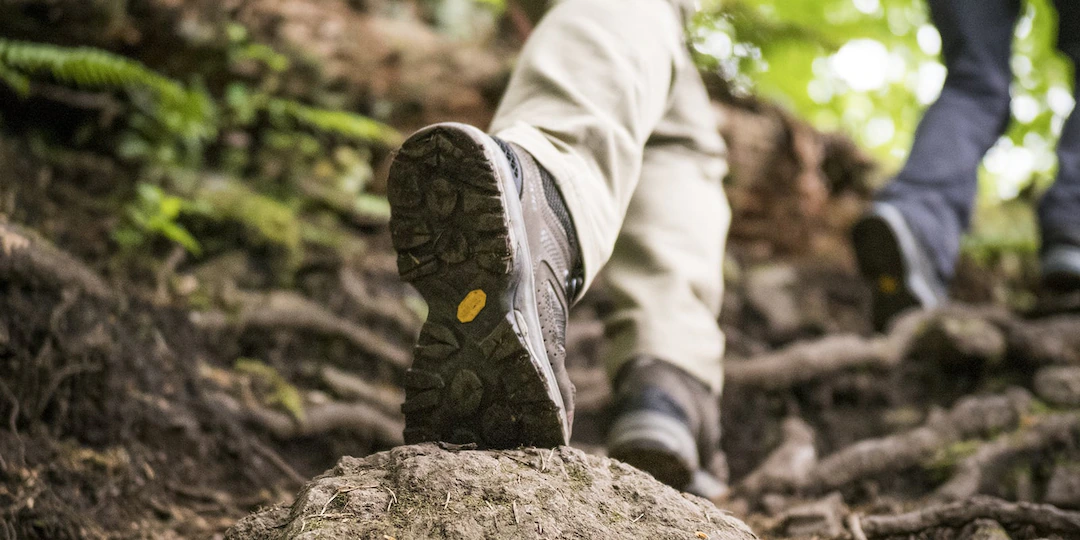
That mindset lasted until I reached a point where my feet were constantly tired, even on days when I hadn’t done anything particularly demanding. The discomfort didn’t feel sharp or alarming, just persistent. By the end of the day, I felt it in my arches, my heels, and sometimes even up my legs. That’s when I realized it might be time to actually pay attention to what was going on.
Becoming More Aware of How My Feet Work
Once I started noticing the discomfort, I also started paying attention to how my feet behaved. I noticed that certain shoes felt fine at first but became uncomfortable after a few hours. Other shoes felt supportive initially, yet somehow left my feet more tired by the end of the day.
It led me down a rabbit hole of reading about foot structure, posture, and the role arches play in how weight is distributed when we walk or stand. I learned that arches aren’t just a design detail — they help absorb shock and keep the body aligned. When they don’t get enough support, the strain doesn’t stay in the feet. It travels upward.
This was eye-opening because it explained why my lower back sometimes felt stiff after long days, even when I hadn’t lifted anything heavy.
Realizing Shoes Alone Weren’t the Whole Solution
At first, I thought the answer was simply buying better shoes. While that did help to some extent, it wasn’t consistent. A pair that felt great one week might feel uncomfortable the next. I eventually realized that even well-made shoes don’t always provide enough support for everyone, especially if your feet don’t fit neatly into the “average” category.
That’s when I started hearing more about arch support inserts — not as a medical fix, but as a practical adjustment people make to improve comfort. What appealed to me was that inserts weren’t permanent or drastic. They felt like a small, reversible change that could make a noticeable difference.
Trying Inserts Without Expecting Miracles
I didn’t expect instant relief or dramatic results. Honestly, I was skeptical. But what surprised me was how subtle the change felt at first. There was no dramatic “wow” moment. Instead, the difference showed up gradually.
After a few days, I noticed my feet didn’t feel as tired in the evenings. After a couple of weeks, I realized I wasn’t constantly shifting my weight when standing. It wasn’t that the inserts eliminated discomfort entirely — it was more that they reduced the background strain I had grown used to ignoring. Hence it would be better if we know how to choose a better insoles.
That experience changed how I thought about foot support. It wasn’t about fixing a problem overnight; it was about reducing long-term stress on my body.
Learning That Not All Inserts Are the Same
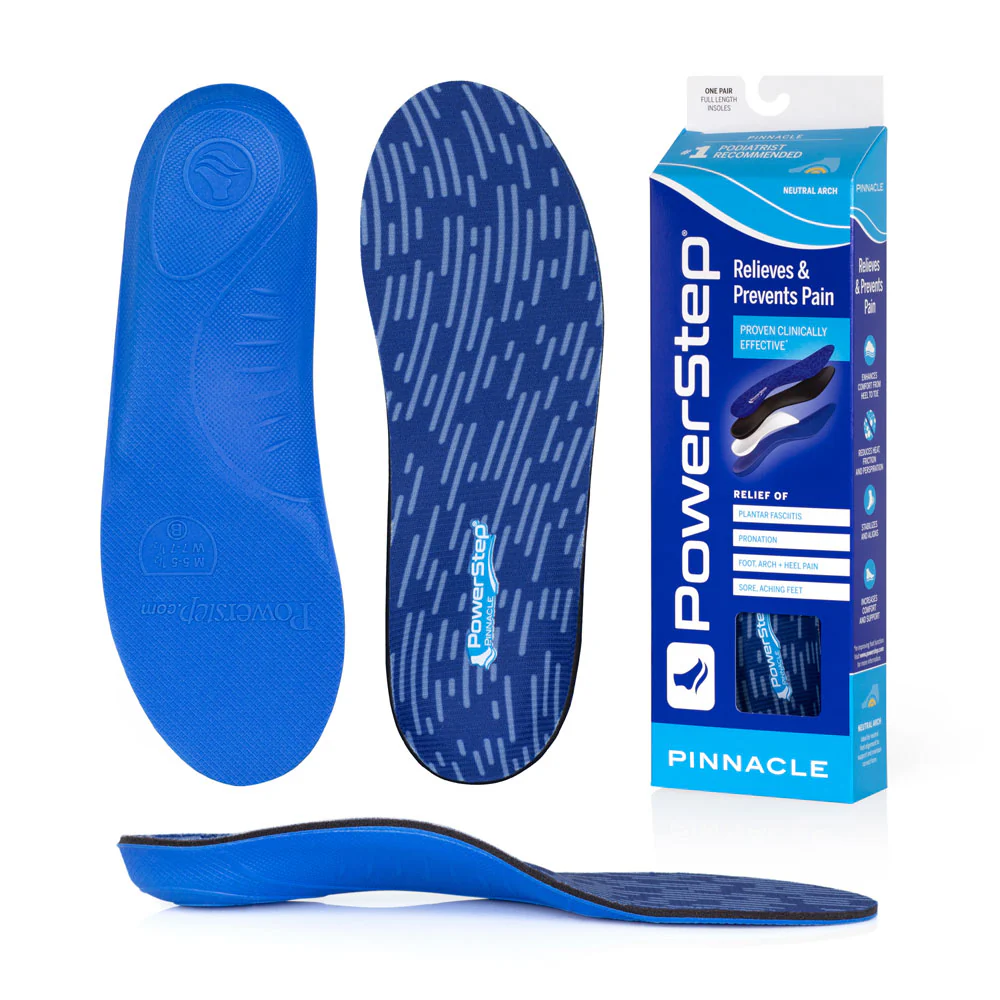
One thing I learned quickly is that arch support inserts vary a lot. Some are soft and cushioned, others are firmer and more structured. Some work better for walking, others for standing, and some for mixed daily use.
I found it helpful to read general information about different types of inserts and how they’re designed. Resources that explain arch height, foot alignment, and support styles made it easier to understand why certain inserts felt better than others. I came across a collection of arch support inserts while researching, and while I wasn’t looking to buy anything specific at the time, seeing how inserts were categorized helped me understand what to look for in general.
Adjusting Expectations and Listening to My Body
One important lesson was that inserts aren’t meant to be a cure-all. There were days when my feet still felt tired, especially after unusually long periods of standing. But the overall trend was positive. My feet recovered faster, and the discomfort felt less intense.
I also learned that it’s important to give your body time to adjust. Wearing inserts all day immediately didn’t feel right for me. Starting with a few hours a day made the transition smoother and helped avoid unnecessary soreness.
How This Changed My Daily Habits
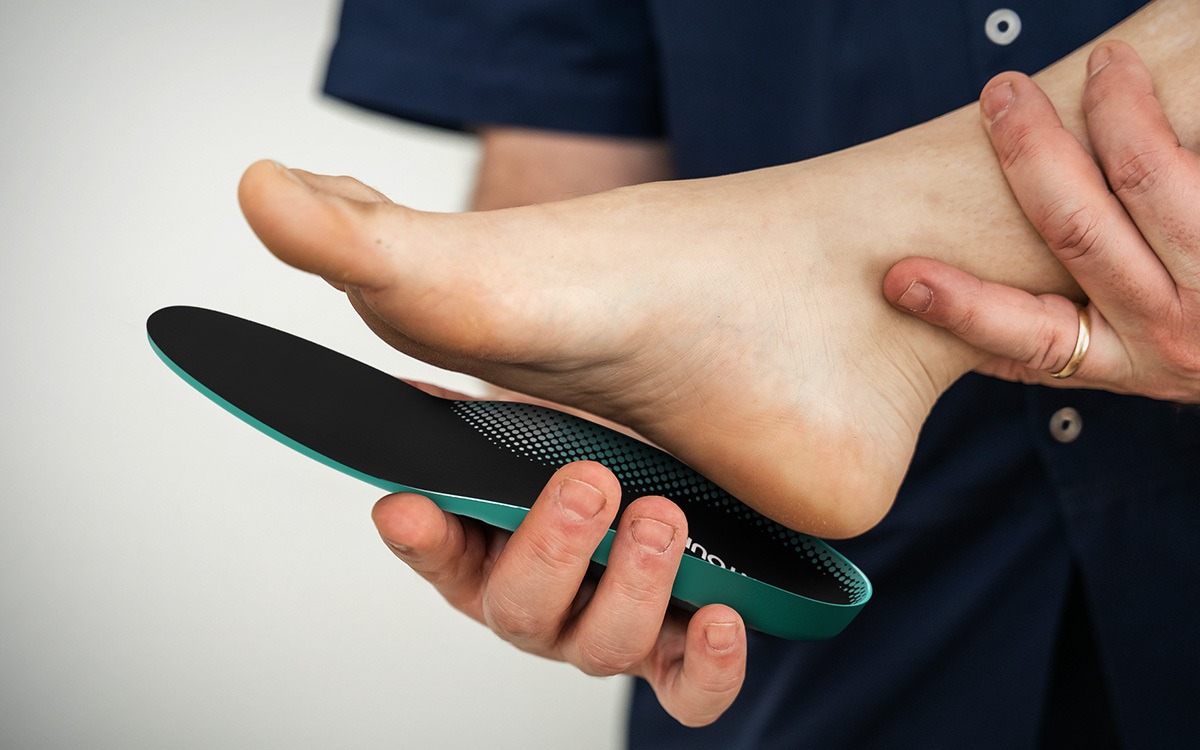
Paying attention to foot support ended up influencing more than just what I wore in my shoes. I became more mindful of posture, standing breaks, and even how often I replaced worn-out footwear. It made me realize how interconnected everything is — when your feet are better supported, the rest of your body often follows.
I also stopped brushing off mild discomfort as something to ignore. Instead, I treat it as feedback. If something feels off consistently, it’s usually a sign that something needs adjusting.
Looking back, I wish I had paid attention to foot comfort sooner. Arch support inserts weren’t a dramatic solution, but they were a practical one. They helped me understand my body better and made everyday activities more comfortable in a way that felt sustainable.
For anyone experiencing persistent foot fatigue or discomfort, learning about foot support — even casually — can be a worthwhile step. It doesn’t have to be about buying something right away. Sometimes, simply understanding how your feet work is enough to start making better choices for long-term comfort.